
Pivoting Your Short-Form Video Niche
The Trap
Pivoting a short-form channel’s niche is extremely difficult. This goes for YouTube, TikTok, and Instagram. The main reason behind this is the way the algorithms all test new video content. The algorithms all behave in a similar manner when it comes to initial video upload testing, that is they auto-test your videos using your existing subscribers and followers.

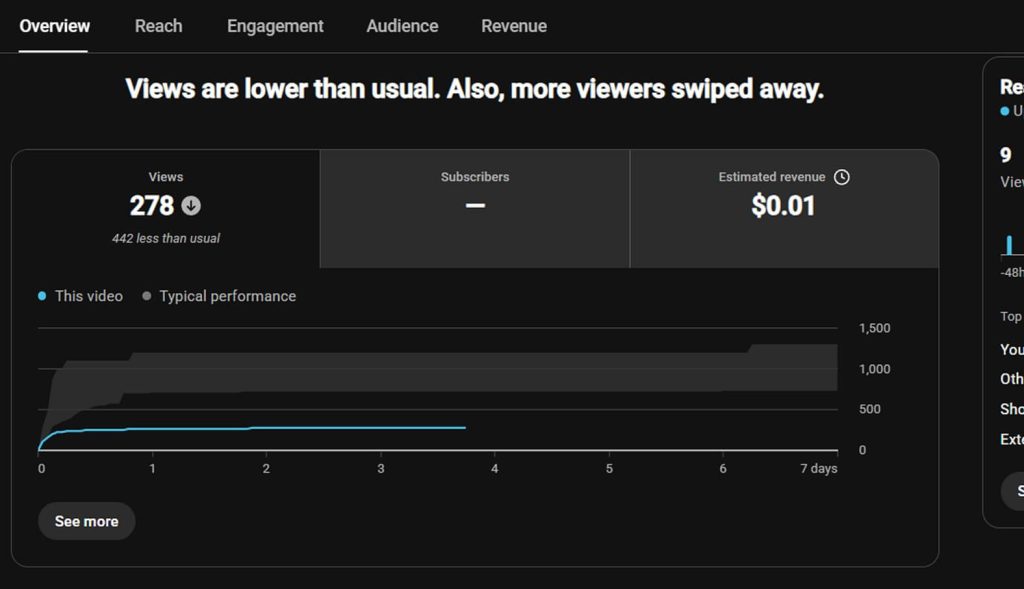
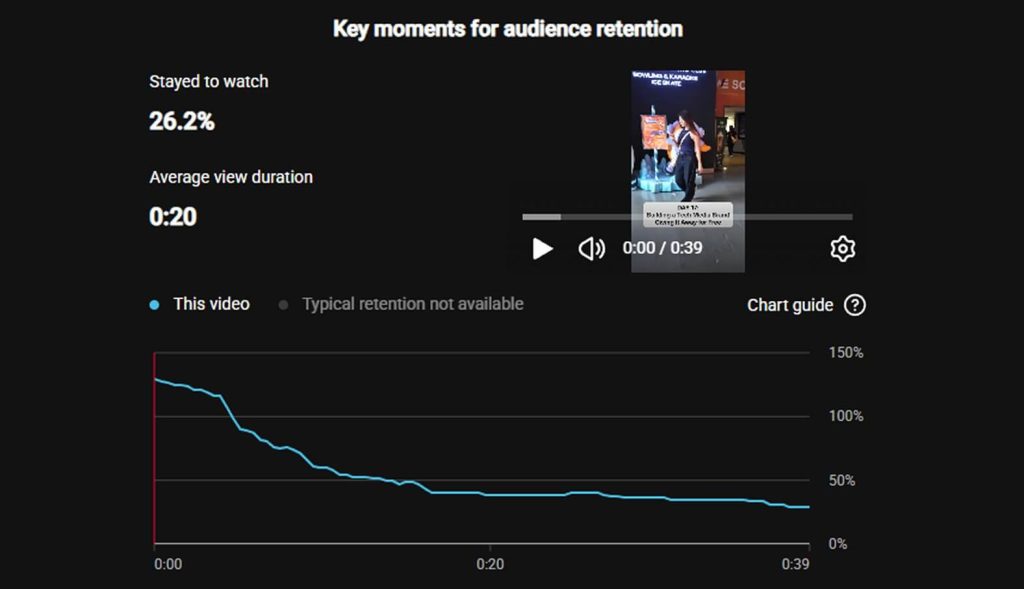
When you suddenly pivot your content to a different niche, especially something that’s not directly adjacent to your original niche, the majority of your legacy subscribers really aren’t going to be interested in it. They swipe away, the algorithms then see your video as low quality, and the video tanks at 100 views. That new video with the new niche never really gets a chance to be seen by the people who might be interested in it. That means you don’t get any new subscribers or followers from the new video, and the algorithms just show your next video to that same old legacy audience again.
The Pivot
How far your new niche is from your original niche determines how difficult the pivot is going to be. They can be broken down into distance/difficulty levels by thinking about how many aspects change between your old and new content. Using gaming as a reference, here are some examples that will help you get a feel for how big a jump your pivot is going to be:
- VERY SHORT – Minecraft Let’s Play → Minecraft tips and tricks.
- SHORT – Minecraft Let’s Play → Minecraft modding.
- MEDIUM – Minecraft Let’s Play → FPS shooter gameplay.
- LONG – Minecraft Let’s Play → Game development.
- VERY LONG – Minecraft Let’s Play → Science projects.
- EXTREME – Minecraft Let’s Play → Knitting.
The further the distance, the more difficult the pivot is going to be. If you’re looking at a very short pivot, you really don’t have to worry all that much. Start mixing the old and new content together and you’ll be fine. Most of your audience will stick around, and many won’t even notice the pivot.
Once you start getting into medium range, you’re going to start running into problems. Less and less of your legacy audience is going to be interested in your new content. That being said, I do believe that it’s possible to pivot a short-form channel. I’ve broken it down into four possible methods that you can employ that may work for you, depending on your situation.
The Clean Slate (Method 1)
Method 1 is just to create a new channel. While this may or may not be a viable option for everyone, it certainly takes care of the pivoting challenge. If you aren’t monetized, aren’t stuck to a single channel for naming or branding reasons, and just have a really small channel overall, by all means go for that and save yourself the trouble of having to go through a potentially long and painful channel pivot.
The Grind (Method 2)
Now method 2 is what I call “The Grind”, or basically just slugging it out. This is where, if you’re not really getting any new subscribers at all, you can continue to make your new videos and slowly replace your legacy audience with your new one. As you gain the new subscribers who match your new niche, your videos begin to gather a more favorable reception, higher watch times, and the algorithms start to push them out more and more.
At this point you’ve basically pivoted your short-form channel. As stated before, this method works much better for pivots of “very short” or “short” distances. There can also be a number of issues when using this method to pivot that you may want to keep in mind.
One is that you really have no idea how long that pivot is going to take. If your pivot is a bigger jump than you realized, it could easily take months or a hundred videos to switch your audience. Not everyone wants to wait that long.
Also, if you’re still gaining new subscribers from your old videos, that’s going to be a problem. The new subs coming in from the new videos may not be enough to offset the new subs that are still coming in from the old ones. For instance, if you’re getting 10 new subs a day from your old niche videos, but only 5 new subs a day from the new videos, you’re never actually going to climb out of that deficit, and you’ll never be able to pivot.
A possible way to overcome that deficiency is to unlist the old videos that are still bringing in subscribers. Those subscribers will dry up, and then you can use only the new videos to gain subscribers, ones who are more aligned with your new content. I wouldn’t call this ideal, especially if those videos are monetized, but it’s certainly an option for some.
The Search (Method 3)
Method 3 involves switching to search-based content in your new niche. When I say search-based, these are videos such as how-tos, walkthroughs, summary guides, things like that, which people actively search for. The idea here is that you ignore the algorithm’s initial auto-tests. If they don’t want to show your new videos to the right audience, fine. If you make search-based content, the audience who’s interested will actively search you out themselves.
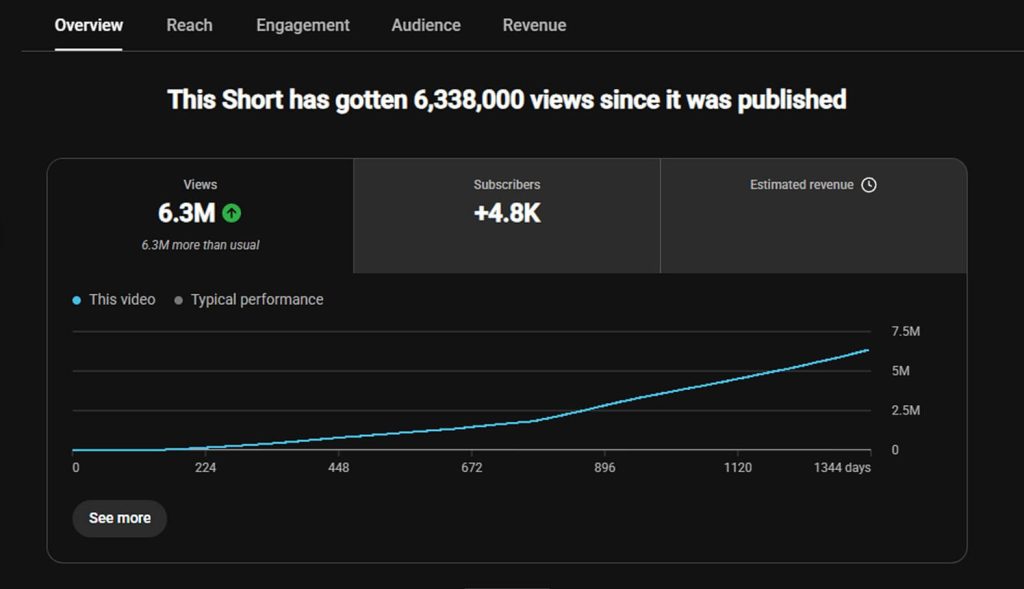
In many ways, this method is really just an expansion of method 2. Perhaps not all niches are really appropriate for gaining views via search, but for many this can be a great way to have the audience come to you. This does take some time as you wait for the search engines to slowly index the new content, but I would certainly recommend it over just trying to grind the pivot out using method 2.
The Long-form (Method 4)
Method 4 is to temporarily switch to long-form content. The idea behind long-form is that the viewer decides, using your thumbnails and titles, whether they want to watch a video or not. Your long-form videos aren’t automatically pushed on them like they are with short-form. So your legacy audience will simply skip over your new niche videos, because it’s not their bag, and only the new audience will click them.
You do take a slight hit to your click-through ratio (CTR) when the legacy audience skips over the thumbnail, but that’s nothing compared to them swiping away in the first two seconds when the algorithm pushes it on them automatically. Once your audience has successfully been pivoted, then you’re free to start making short-form again.

There can be issues with this method however, just like with the other methods. For one, not all platforms have a robust long-form catalogue. Few people on TikTok watch long-form videos, for instance. Also, many short-form content watchers exclusively watch short-form content. Switching to long-form to try and gain that audience just won’t work. Finally, some niches may not convert well to a long-form type format, so your mileage with this method may vary.
The Takeaway
No method of pivoting short-form content to a different niche is ideal. That’s just the way the modern algorithms work. However, being able to work with the algorithms, and around them if necessary will set you up for long-term success in your content creation journey. You know your channel and niche best, and should now have a better handle on what method, or combination of methods, will work best for you.