The Smart Way to Weigh Yourself
The Why
If you’re trying to gain or lose weight, one of the most important things you can do is weigh yourself regularly. Whether it’s losing fat or gaining muscle, tracking the weight of your body is one of, if not the most important form of feedback you can get. Tracking your weight over time tells you if what you are doing is actually working in the real world.
Many people avoid the scale, either only occasionally building up enough courage to step on, or they just avoid it entirely. They feel that if the number went in the wrong direction for what they are trying to accomplish, that they have failed. Scale anxiety is a real thing and skipping your weigh-ins because you’re scared of what the scale might read can be a major challenge for some people.
Being able to reframe your thinking, seeing the numbers on the scale as not a judgement of your worth, but merely a data point from using a tool can go a long way into helping people become more comfortable with the process. A single weigh-in is not a judgement, it’s merely a data point, it’s noise. Only multiple weigh-ins over a period of time can give you an accurate picture of roughly where you may be in your journey.
The Problem
Why doesn’t a single weight reading mean anything? The answer is weight fluctuation. Your weight fluctuates noticeably throughout the day and between days as well. This variance in weight can be a lot more than you think, easily into multiple pounds of difference up or down, based on a myriad of factors.
The time of day, sodium levels, digestion factors, glycogen levels, and just overall hydration can all factor into your weight at any given time. Even things like stress levels and hormones can factor into your current weight. It pains me to see people posting on Reddit or other social media, upset with their weight goals saying things like:
“I literally ate almost nothing for five days and I actually gained 0.4 pounds, why?”
“Increased my calories by 200 to help my workouts and I gained four pounds in two days, is this all fat?”
Some people will recommend weighing yourself every day and going with that, others will say only weigh yourself once a week. Neither of these approaches are actually ideal however, because of those pesky fluctuations we just talked about.
For instance, if you’re trying to lose weight and you’ve been tracking your calories and doing lots of cardio, what happens if you step on the scale next week and your sodium levels happen to be high and you’re retaining a bit of water? It may look like you lost no weight at all when perhaps you actually lost two pounds, but the single data point of one weigh-in tripped you up. This is the kind of thing that leads to a lot of frustration and can cause people to give up.
The Solution
The solution to fluctuations? Get rid of the noise. We do this by limiting the variables as best we can, then smoothing out the fluctuations by logging and averaging multiple weigh-ins together.
To limit the variables that can lead to fluctuations, you can do things like weigh yourself at the same time every day, ideally when you first wake up and have used the restroom, but not eaten or drank anything. Weigh yourself without clothes or with the same or very similar clothes on each time. Be sure your scale is on a completely flat surface and all four corners touch the floor. Step into the middle of the scale and stand still while it calculates.
We smooth out the remaining fluctuations by averaging a week’s worth of weigh-ins over time. To do this, go ahead and take your weight reading each day, and record that number without judgement or regard to how it relates to the day before. Remember, we are just gathering data points here. After you have logged a week’s worth of weights, go ahead and average them by adding them all together and dividing by seven. A spreadsheet is great for this, but just adding them to your phone or on a piece of paper is fine too. Some high-end scales have smart functionality or can be connected to apps and can do all of this automatically for you.
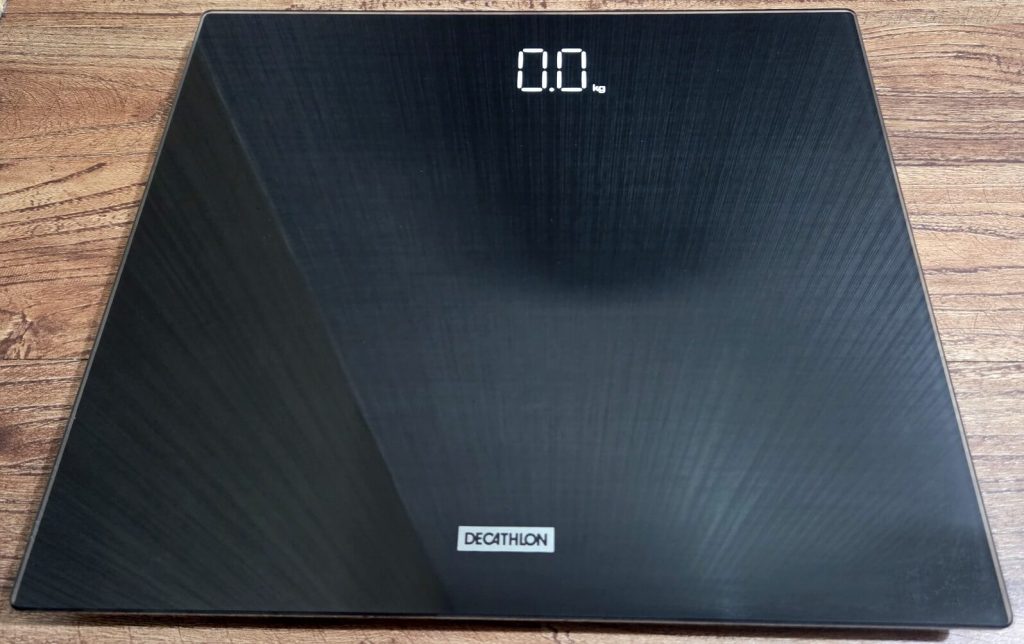
This new computed weight offers a much clearer picture of the progress you may or may not have made over that last week. It’s not perfect, but it eliminates much of the noise and is something you can now confidently base your progress on. When I was in the military, this is the method we used to track weights for the heavy guys who were trying to make weight limits. This method is also used by many coaches in various weight class based sports to keep measure of an athlete’s actual structural weight and not get thrown off by temporary dehydration or diet changes.
The Takeaway
- Eliminate Variables: Weigh daily, first thing in the morning, after bathroom, before food and water, same clothing.
- Ignore the Noise: Daily numbers are merely data points and are unreliable on their own.
- Compare Averages: Add up the 7 daily weight numbers and divide by 7. Compare that weekly average to the week before.
I hope this has given you a clearer understanding on how eliminating some of the variables and smoothing the raw data out with averaging, will give you a much clearer picture for where you truly are in your weight loss or weight gain journey. If at the end of the week this new weight number still isn’t where you want it, so be it. At least you learned something. Don’t look at it as a failure, it’s valuable feedback. If you’ve struggled with anxiety when using the scale or the scale has been seemingly unreliable for you, consider putting some of these weigh-in methods into use. Stick with it, you can do it!